
Raccoon Trapping - Removal - Control
Your Local Raccoon Control Experts
At Wildman Wildlife Removal & Exclusion, our team knows how much is at stake when raccoons move onto your property. Raccoon activity can damage your home, ruin landscaping, and put your family and pets at risk. That's why we offer specialized raccoon control solutions that still respect wildlife.
Our team provides complete raccoon control services using a humane, ethical approach to removing these intelligent, but potentially dangerous animals.
Raccoon Removal and Prevention Solutions
When raccoons invade your space, property damage and pet safety are likely the first things on your mind. The Wildman Wildlife Removal & Exclusion raccoon control team is trained to perform thorough inspections, identify the species you're dealing with, and build a plan that provides humane removals and long-term prevention.
With Wildman Wildlife Removal & Exclusion's expertise on your side, you’ll receive a careful, professional resolution to your raccoon problem.
How Our Raccoon Control Process Works
Wildlife issues, including raccoons, need the thoughtful approach that Wildman Wildlife Removal & Exclusion delivers. Our experienced raccoon removal specialists develop effective, humane strategies matched to your specific situation.
Here's what our typical process looks like:
Detailed inspections to pinpoint animal activity on your property.
Safe, ethical trapping combined with advanced exclusion methods to control animals responsibly.
Consistent raccoon control and prevention advice to protect your home from future encounters.
Is DIY Raccoon Removal An Option?
Handling a raccoon problem yourself can be dangerous. These animals are clever, and they can turn aggressive without warning, especially when protecting their young. Their nocturnal habits and varied diet also make them difficult to manage without specialized knowledge. Thanks to the wildlife expertise of our team, Wildman Wildlife Removal & Exclusion understands raccoon behavior well enough to solve the root of the problem, not just the symptoms.
Raccoon jobs go beyond simple trapping. They can involve dealing with their offspring, understanding feeding patterns, and knowing how raccoons behave in urban environments. Let Wildman Wildlife Removal & Exclusion guide you through the process with an informed, knowledge-driven approach to wildlife management. Contact us today to get a thorough inspection for your property.
Raccoon Control FAQs
-
Raccoons can be very dangerous. If you spot one on your property, keep your distance.
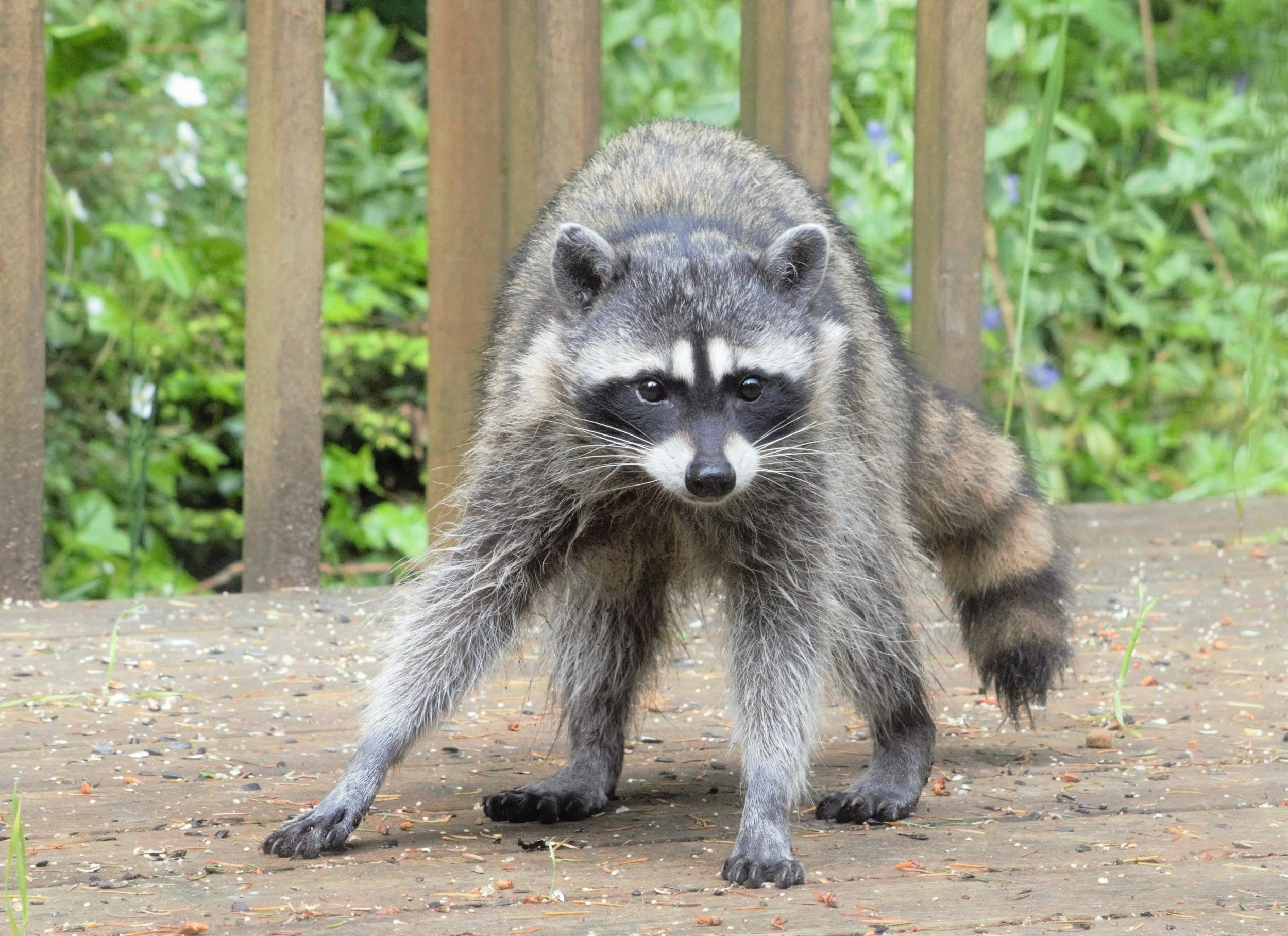
Most importantly, they're wild animals, which makes them unpredictable. They're also strong, with sharp teeth and claws. Raccoons rarely attack without a reason, but a raccoon that feels threatened or cornered may fight back. Trying to handle one for any reason can lead to serious injury. Even if a raccoon looks asleep or unable to move, don't touch it or try to move it.
Raccoons also carry diseases and parasites. They can transmit parvo, distemper, salmonella, and rabies, and they can spread fleas and parasites, including roundworm, through their feces.
They're dangerous to people, but even more so to pets. Pets are just as vulnerable to raccoon-borne diseases, and because they're smaller, they're more likely to be affected. Many pets are seriously injured in raccoon encounters.
If raccoons are on your property, having them removed right away is the safest choice for you, your family, and your pets.
-
Like all animals, raccoons are always searching for food, so removing food sources is the first step to keeping them away. Fallen fruit and garbage are two of the most common attractants. Pick up any fruit that drops from trees, because a raccoon that finds it once will keep coming back for more. Keep trash bins tightly sealed, and if needed, secure the lids with a bungee cord or rope so they can't pry them open.
Raccoons are also nocturnal and dislike bright light. Floodlights or timed lights in areas with raccoon activity may help scare them off.
More prevention tips:
Keep pet food indoors, especially at night
Store compost in animal-proof containers
Take down bird feeders at night or switch to raccoon-proof feeders
Remove water sources like pet bowls and birdbaths
-
Raccoons are intelligent and opportunistic. Once they learn there's food in your trash, they'll remember and keep coming back. The best way to keep them out is to make sure they never find out it's there.
Keep your trash sealed tightly, and tie down the lid if necessary. Never leave trash bags sitting outside your secured bins.
-
If you find a dead raccoon on your property, be careful and don't touch it. It may have died from a disease that can still be transmitted.
The best option is to call animal control to remove it. They're trained to handle carcasses safely and reduce the risk of spreading rabies, parasites, and other pathogens. We also offer dead animal removal services, so you give us a call if you have questions.
-
No. Whether a raccoon is alive or dead, you shouldn't try to remove it yourself. Live raccoons are unpredictable wild animals with strong bodies and sharp claws and teeth, so they can seriously injure you if you try to handle them.
Handling a dead raccoon carries its own risks, and we strongly recommend against doing it yourself. If you do, check your local regulations first and take extreme care. Wear a respirator mask, eye protection, and rubber gloves. Use a shovel to place the carcass in a heavy-duty bag, dispose of it according to local regulations, and disinfect the area afterward. It can still be contaminated enough to make you or your pet sick.
-
If you know raccoons are on your property, the safest approach is to limit your pets' exposure to them. Raccoons aren't especially large, but they can seriously injure almost any household pet, including big dogs.
Consider calling a raccoon control specialist to have them removed. Since raccoons are nocturnal, keeping pets indoors at night also prevents most exposure.
More pet safety tips:
Keep all pets up to date on vaccinations, especially rabies
Keep cats indoors from dusk to dawn
Always supervise small dogs outdoors
If your pet encounters wildlife, contact your veterinarian right away
-
Once a raccoon knows there's food on your property, it can be hard to get it to leave for good. Prevention is your most effective tool.
Clean up fallen fruit, seal your garbage, and if raccoons keep returning, bring in a professional raccoon removal service.
-
Keep your distance and watch from afar. The mother is likely nearby and will return for her young, since mother raccoons often leave their babies for several hours while foraging. If the babies look healthy and aren't in immediate danger, leave them alone and keep pets away.
If the mother hasn't returned after 24 hours, the babies are visibly injured or in distress, or they're in immediate danger, contact a licensed wildlife rehabilitator or animal control right away.
Keep in mind that in most areas, it's illegal to keep wildlife as pets, even if you found them as babies.
-
Yes, many jurisdictions have specific regulations on raccoon handling and relocation. Before trapping or relocating a raccoon yourself:
Ask your local animal control or wildlife agency about permit requirements
Know that relocating wildlife is illegal in some areas due to disease concerns
Be aware that some states classify raccoons as rabies vector species with special handling rules
Check whether transporting wildlife across county or state lines is prohibited
-
Yes. Unlike many nuisance wildlife species, raccoons are active through winter. They can even become more active as they search for scarce food and shelter from the cold. Because they can be aggressive, avoid DIY raccoon control in winter.
Keeping Nuisance Wildlife Away From Your Commercial Property
Wildlife problems, such as raccoons can hurt your business's image and make customers and staff uneasy. With years of field experience, Wildman Wildlife Removal & Exclusion is well equipped to handle raccoon infestations and protect the reputation and integrity of your commercial space every day.