What Bat Behavior Do You See in North Carolina? Guide to Local Species, Infestation Risks, and Exclusion
Bats are misunderstood creatures that are a vital part of our local ecosystem here in North Carolina. They help control the mosquito population and keep our environment stable.
However, when these nocturnal flyers decide to make a home inside your attic or chimney, the wonder can quickly turn into worry.
In this guide, we’re diving into North Carolina bat behavior, including their quirks, why they might be drawn to your house, and how Wildman Wildlife Removal & Exclusion provides safe, humane and permanent bat removal and exclusion solutions.
How Do Bats Typically Behave?
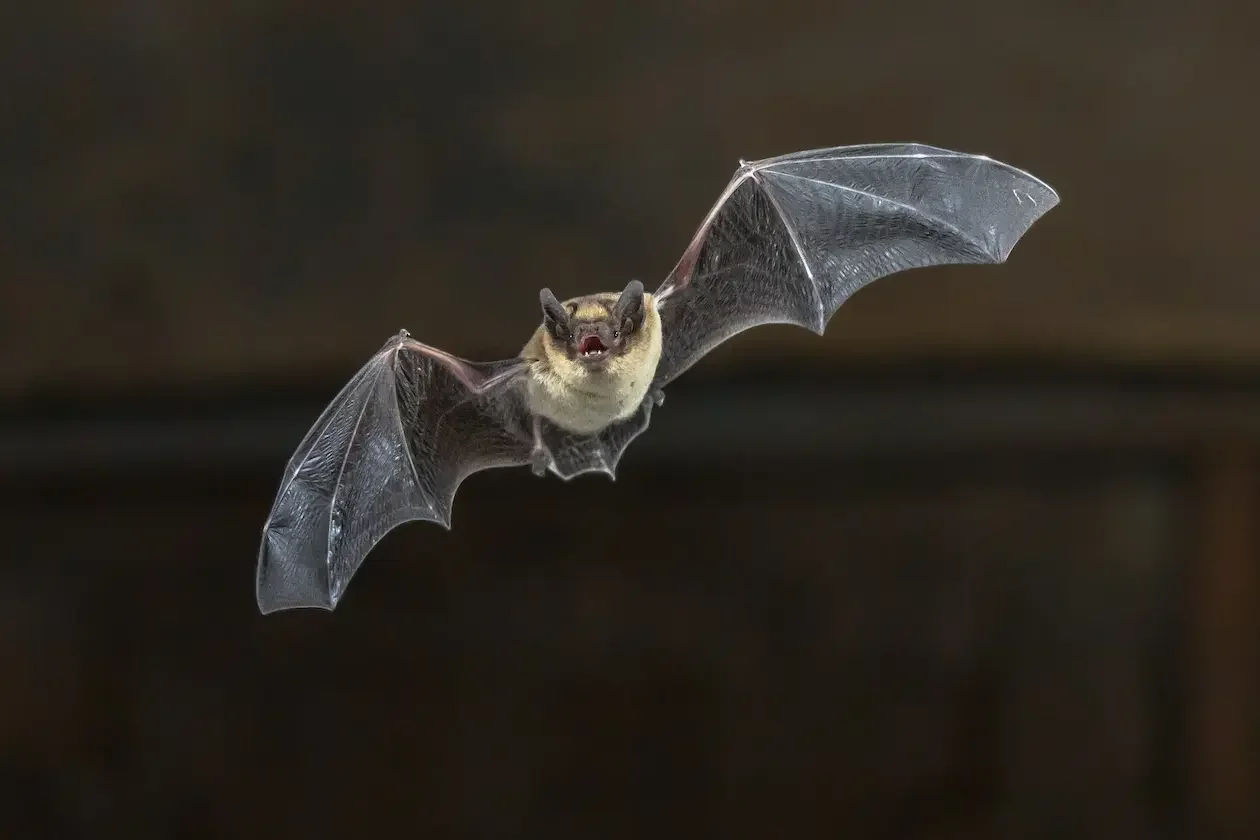
Bats may seem scary, but they’re actually more gentle winged mammals with unique traits:
Echolocation
To navigate in the pitch black, bats use a built-in bio-sonar system called echolocation. As they fly, bats send out high-pitched squeaks. These sound waves bounce off nearby objects (like trees, bugs, or your house) and bounce back to the bat's ears. This skill allows them to "see" with sound, making them master hunters.
What do Bats Eat
Most bat species in our state are insectivores, which means they strictly eat bugs. This includes moths, beetles, flies, wasps, and mosquitoes. A single bat can eat up to 1,200 mosquitoes in just one hour!
Where do Bats Sleep
Bats are famous for sleeping upside down. Because of their lightweight bones and special leg tendons, hanging upside down uses almost no energy. But during the cold winter months, bats need to survive when insects are scarce. Many local species survive by going into hibernation, or a deep sleep called torpor, to save energy.
Over in the wild, bats love to sleep in caves or hollow trees. However, as our cities grow, bats find that residential homes and businesses with suitable attics, walls, chimneys, and ceilings are the perfect substitute. They’re looking for the same safety as a cave with the perfect combination of temperature, light, space, and humidity.
Other Bat Social Habits
Bats are highly social animals that live in large groups called colonies. The social behavior of our local bat species (like the Mexican Free-Tailed Bat, the Little Brown Bat, and the Big Brown Bat) often leads to females forming "maternity colonies." A maternity colony is a large group of female bats that gather together in a warm, safe place to give birth and raise their pups.
Unfortunately, these colonies often choose attics as their home. Because they live in such large numbers, their collective habits can quickly cause extensive structural damage.
What Happens When Bats Move Into Your Home
While we respect bats and all they do for our ecosystem, they do not belong inside human structures. Here are the main problems homeowners face when a colony moves in:
Rapid Guano Buildup: Bat feces is called "guano." In a large colony, guano piles up fast, ruining your attic insulation and creating terrible, lingering odors. Guano is also a major health hazard.
Health Risks: When bat droppings break down, they grow dangerous fungus spores. If humans breathe these spores in, it can cause a severe respiratory infection known as Histoplasmosis.
Possible Rabies Spread: A healthy bat will avoid humans and fly at dusk or night. If a bat is active during the day, unable to fly, crawling on the ground, or acting aggressively, it may be carrying rabies or a similar disease. Never touch a bat with your bare hands.
The Solution: Professional Bat Removal and Exclusion
When you hear scratching in the walls or smell a sudden, awful odor from the attic, you want the problem fixed fast. But since bats are protected, you cannot just exterminate them yourself. That’s where professionals like us step in.
At Wildman Wildlife Removal & Exclusion, we use a compassionate, thorough process to get bats out and keep them out of your space:
Inspection: First, we inspect your home to find out exactly where they are getting in.
Removal: We do absolutely no harm to the bats. We simply evict them back into nature. We install one-way exclusion devices. This allows the bats to fly out of your house to hunt at night, but they cannot get back in.
Exclusion: Once the bats leave, we seal all entry points to prevent future infestations.
Cleanup & Restoration: We use a special biological enzyme to break down organic matter, killing bacteria and wiping out the awful odor.
Have a Bat Problem?
Understanding these amazing creatures helps us respect them from a distance. But if bats have made a home out of your house, don’t stress: we have solutions.
Protect your home and your health. Let the experts at Wildman Wildlife Removal & Exclusion handle the job with care, safety, and respect for our local wildlife. Call us today at 855-449-2453 to get started with a service quote.
Need Animal Trapping?
Frequently Asked Questions
-
Generally, no. Bats are afraid of humans and want to be left alone. However, bat guano can cause severe respiratory illnesses, and bat bites can transmit rabies. You should never handle a bat yourself. Let the experts manage it safely!
-
Not in North Carolina! Our local bats (like the Little Brown Bat and the Big Brown Bat) are insectivores. Their diet consists almost entirely of mosquitoes, moths, and other small bugs.
-
No. Bats are legally protected, meaning it’s illegal to harm them. That’s why it’s crucial to reach out to a bat expert like Wildman Wildlife Removal & Exclusion!
-
The only way to stop them is to properly seal the home after doing a safe removal process. Bats can remember their favorite roosting spots and will return year after year until a professional intervenes.