
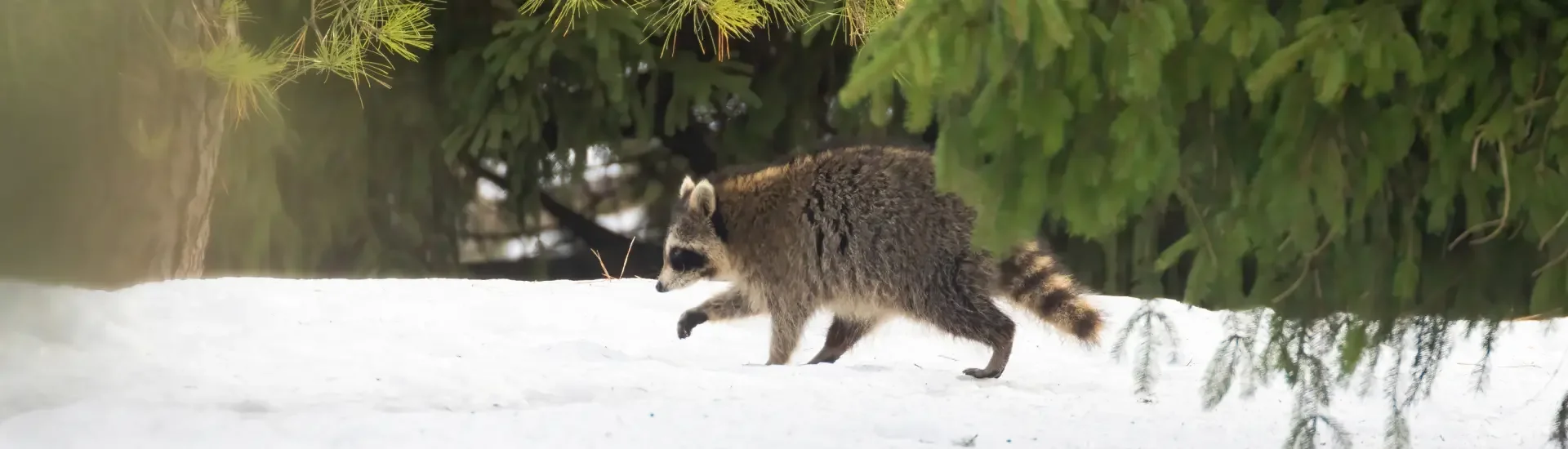
Why Raccoons & Skunks Stay Busy During Cold Winter Months
You might think wildlife slows down when temperatures drop, but that's not always true. Raccoons and skunks actually stay quite busy throughout winter in North Carolina. The late winter and early spring months are when these animals breed, making this the best time to deal with any wildlife issues around your North Carolina home.
During this time, mother raccoons and skunks look for cozy, protected spots to have their babies. This search often leads them right to your property, where they can cause serious damage. Winter wildlife brings its own set of dangers, too. When cold weather pushes these animals closer to people, they may become more aggressive than usual. Sick animals struggling to survive harsh conditions can be especially risky to deal with.
Keep in mind that raccoons and skunks aren't out to ruin your day, they're just trying to make it through a tough time of year. Still, protecting your home and keeping your family safe has to come first.
What Else Drives Raccoons and Skunks to Stay Active in Winter
Warming and Cooling Weather Patterns
When winter temperatures bounce up and down, wildlife activity increases. Those random warm days in the middle of winter really get raccoons and skunks moving around.
Here's why changing temperatures matter:
Animals need to build up their energy after using lots of calories staying warm during cold spells.
Temperature swings can open up new ways into homes that were blocked by ice or snow before.
Shifting weather can flood or wreck the natural dens these animals use, pushing them to find new places to live.
Breeding Time
One thing many homeowners don't realize is that winter is mating season for these animals. Skunks stay awake (they don't truly hibernate) and start looking for mates as early as February.
Raccoons get started even sooner, often beginning their mating season in January. Male raccoons travel much farther during this time to find females, which is another reason you'll see more raccoon activity during winter months.
Not Enough Food to Go Around
Finding food is one of the hardest parts of winter for wild animals. During warmer months, there's plenty to eat in nature. But when winter hits, raccoons and skunks take bigger chances to find meals, which often brings them right to people's homes.
Many people think skunks sleep all winter long, but that's actually a myth. Skunks need to come out regularly to search for food. Raccoons have the same problem, but they're extra good at finding ways into human food supplies thanks to their smart brains and handy paws. Cold weather makes these animals even more daring, and sometimes you need emergency wildlife removal when a raccoon breaks into your home looking for something to eat.
Sharing Living Space
When good spots to live become hard to find, different types of animals sometimes end up in the same area, and that area might be your house.
So where do skunks end up when they can't find natural shelter? They look for dry, safe places like the space under your porch, inside your shed, or in your crawl space. Raccoons do the same thing, but usually pick higher spots like attics or areas near chimneys. This fight for limited winter shelter is a big reason why these animals keep moving around all season long, always looking for a better place to stay.
Need Animal Trapping?
What Is Torpor? (Why These Animals Don't Really Hibernate)
Here's something interesting: raccoons and skunks never go into true hibernation. What they do instead is called torpor, and it's very different from the deep sleep that animals like groundhogs experience.
When an animal truly hibernates, its body temperature, heart rate, and breathing all slow way down for months at a time. You basically can't wake up a true hibernator, and they stay in their dens the entire winter.
Torpor works more like taking long naps when the weather gets really bad. Both raccoons and skunks go into torpor during the coldest days, but they wake up often, especially when temperatures go up and down throughout winter. Their body temperature only drops a little bit, and they can be fully awake and active within just a few hours once things warm up.
Tips for Dealing with Wildlife in Winter
Get rid of anything that might attract hungry animals. Use trash cans with secure lids that wildlife can't open, take pet food bowls inside, and keep your grill clean.
Find and close off any spots where animals could get in before they discover them.
Check carefully for new openings that temperature changes might have created: like loose roof shingles, holes in your siding, or gaps around vents in your foundation.
Take care of any wildlife problem right away. Removing animals in winter is trickier than in summer because they're more determined to stay, and they may already have babies (especially in late winter).
Safe and Humane Winter Wildlife Removal Services
Don't wait for warmer weather to handle wildlife problems around your property. If you're hearing strange sounds coming from your attic, noticing weird smells outside, or actually seeing animals around your home, now is the time to act. Managing wildlife in winter takes special knowledge, the right tools, and an understanding of how these animals behave during cold months.
Call our wildlife experts today to check out your North Carolina property and create an exclusion plan that works. We offer safe, effective, and humane wildlife removal throughout the Triangle area. For emergencies, our team is available around the clock.